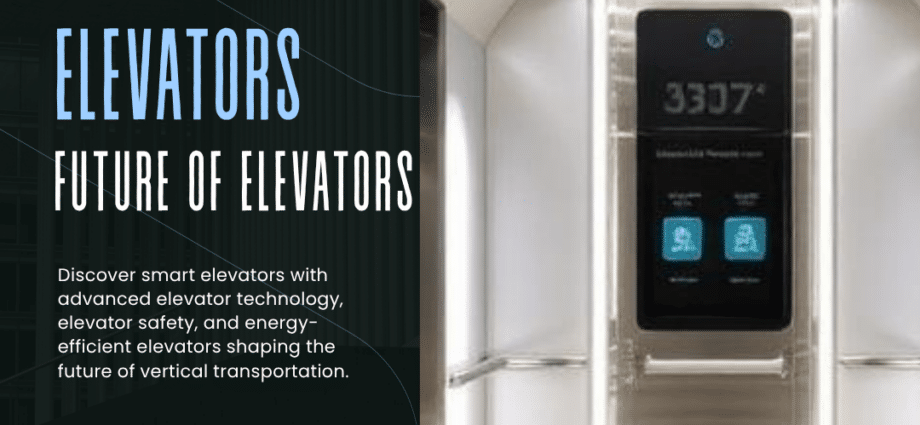
The Rise of Smart Elevators: Navigating the Future of Vertical Transportation
In our rapidly advancing world, technology is revolutionizing every aspect of our lives, and vertical transportation is no exception. Smart elevators are emerging as a transformative force, reshaping how we move between floors in residential and commercial buildings alike. By leveraging cutting-edge technology like artificial intelligence (AI), the Internet of Things (IoT), and automation, these elevators are not just elevating people—they are enhancing the way we think about efficiency, safety, and sustainability in our built environments.
The Emergence of Smart Elevators
The concept of smart elevators began gaining traction as urbanization increased and high-rise buildings became more common. Traditional elevators were limited in their functionality, often leading to inefficiencies such as long waiting times and energy waste. Smart elevators have emerged as a solution to these challenges, harnessing technology to optimize their operation seamlessly. They can analyze the traffic flow of passengers in real-time, adjusting their operations to meet demand swiftly and efficiently.
E-sols Revolutionizing the Future of Elevators
Among the pioneers in smart elevator technology, companies like E-sols are pushing the boundaries further. They are not just creating elevators; they are developing complete systems that integrate with building management solutions. This integration allows for more cohesive management of the building’s resources while ensuring that elevators adjust based on patterns of use. The future of vertical transportation is connected, efficient, and smart.
Environment-Friendly Elevators for a Greener Tomorrow
As the construction of high-rise structures continues unabated, the environmental impact of traditional elevators can be significant. Enter smart elevators designed with sustainability at their core. Utilizing energy-efficient components and design principles, these elevators dramatically reduce energy consumption—lowering operational costs and contributing to a greener planet. They’re not just elevators; they represent a commitment to sustainable living.
We Focus on Safety in Elevators
Safety is paramount in every aspect of building design, and smart elevators are no exception. Equipped with state-of-the-art sensors and emergency response systems, smart elevators prioritize passenger safety. Real-time monitoring ensures that any potential issues are addressed before they become hazards—providing peace of mind for users and building operators alike.
Key Features of Smart Elevators
Smart elevators come packed with features that set them apart from traditional systems:
– Predictive Analytics: By analyzing passenger movement patterns, smart elevators optimize their routes, ensuring minimal wait times.
– Energy Efficiency: Innovative technologies reduce energy consumption, contributing to lower operational costs and environmental impact.
– Safety Features: Advanced sensors and real-time monitoring systems enhance safety during operation.
– Accessibility: Designed with all users in mind, these elevators improve access for those with disabilities.
– Customization: Smart elevators can be tailored to fit specific building requirements and individual user preferences.
– Connectivity: Integrating seamlessly with building management systems, these elevators provide comprehensive operational insights.
– Shorter Waiting Times: Optimal scheduling minimizes the time people spend waiting for elevators.
– Seamless User Experience: Intuitive interfaces and personalized options create smoother journeys for passengers.
Benefits of Smart Elevators
The implementation of smart elevators comes with a plethora of benefits:
– Efficiency Improvement: They enhance operational efficiency by optimizing activities, reducing energy use, and minimizing wait times.
– High Safety Level: The safety features instill confidence in passengers, ensuring they feel secure on every ride.
– Higher Sustainability: These elevators support a greener future by employing energy-efficient designs.
– Improved User Experience: With user-friendly interfaces and customizable options, passenger satisfaction is significantly enhanced.
– Cost Savings: Long-term operational savings can be realized through reduced energy usage and maintenance requirements.
– Increased Building Value: Smart elevators not only elevate passengers but also boost the overall value and attractiveness of buildings.
The Future of Vertical Transportation
As we look ahead, the future of vertical transportation seems bright with the integration of smart technology. The evolution of elevators into smart systems signifies not just a tech upgrade, but a fundamental shift in how we envision building design and user experience. With their impressive blend of efficiency, safety, and environmental responsibility, smart elevators represent a forward-thinking solution for modern infrastructure.
As the adoption of smart technologies continues to grow, we can look forward to a world where vertical transportation is as intuitive and seamless as the seamless world it supports. The future of smart elevators is here, and it’s a journey we can’t wait to be part of.
Whether you are a building owner, developer, or simply an enthusiast of innovative technology, the evolution of smart elevators is one trend you won’t want to overlook. After all, the way we travel vertically is about to take off like never before.